

Sash Windows Repair
Sash windows combine modern technology with a traditional style. They are insulate against draughts and require little maintenance, other than wiping the glass once a week.
Poor maintenance could lead to sagging of the frame and loss of putties to glazing, and rotting of the pulley stile and outer lining near the junction with the cill. All of these issues are capable of being fixed on the spot or in a workshop.
Replacement of cords for sash
A lack of maintenance can lead to rattles, draughts or problems with the opening and closing of windows. It can also cause structural movements in the frame and deform sashes. The damage can cause the putty to break down and the paint to peel, allowing water in the wood and creating decay. In addition, sash cords can become stiff and prone to breaking. Fortunately, double glazing windows cambridge of these issues are in fact capable of repair.
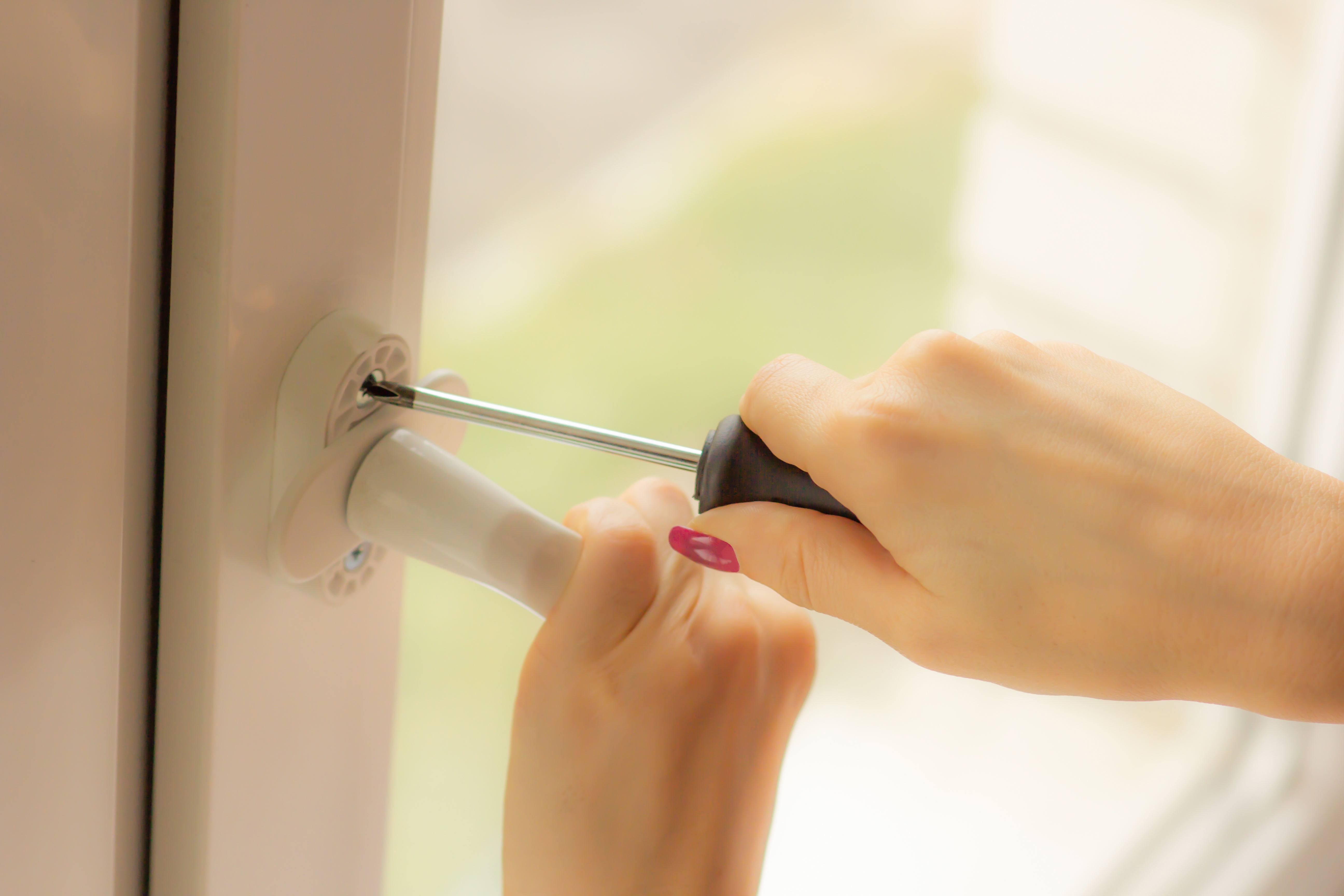
The wood used in older windows with sash is more dense than the modern replacements, which can help it to last for many centuries. However, like any material, it can deteriorate in the absence of regular maintenance.
To ensure that windows in sash are in good working order the cords need to be taut and the wood waxed regularly. The sash cords are constructed from nylon, jute, or cotton. Metal chains can be used to replace the sash cords. Ideally, the new cords should be fed over the pulley wheels with a parting bead to divide the two sashes. The cords are then tacked to the weights, and the counterweights adjusted to match the sashes.
Generally speaking, the pulleys must be replaced with a similar type to the original in order to prevent damage. The weights can be replaced with iron, brass or a mixture of both. Often, the replacements are smaller than the originals, and this could cause issues with operation. The sash must be opened in the proper position before replacing the counterweights, and it is important to be able to close the window without slamming it shut.
Ironmongery can be used to enhance security, make a sash-window draft-proof, while still allowing for ventilation and cleaning. These include sashlocks as well as dual screws and anti-lift devices. They are fairly inexpensive and can be installed on a traditional window and still preserve its historical character. They are not as noticeable as more obvious security features like a sash window chain, or sash catch.
Replacement of sashweights
A sash window is a double-glazed sliding windows that can be lowered or raised to open or close the window. It is held in place by pulleys or sash cords and a dividing bead. The sash cords and the weights must be maintained in good condition to keep the window in place. If a sash is heavy or is sagging, it can cause broken sash cables or loose beading. The best way to ensure that the sash window in good working condition is to have it properly maintained and repaired regularly.
In many cases it is possible to repair older windows without having to remove them. In these situations, the casing and sash can be removed from a workshop or joiner’s shop and repaired. This type of repair will preserve the original fabric and avoids issues like draughts or decay in the frame. The damaged timber is strengthened using a resin consolidant or filler to make the window fully functional again.
The milling of wood sash continued until the late eighteenth-century from slow-grown deal (pine). They tend to be more dense and durable than modern wood. By the late eighteenth-century, windows' dimensions had been standardized. Local window companies offer the Boston Pattern sash line that will fit most older windows. Window sizes for replacement sash windows that are not in line with these standards may require custom-sized window framing, which could detract from the historical character. Additionally, replacement ironmongery needs to be carefully selected to ensure that the new products perform well while maintaining historical accuracy. This can be a challenge because the numerous fasteners found on the sash windows are usually hidden by layers of varnish or paint. However, removing these layers of paint can reveal the intricate design and craftsmanship that was used to create the original window.
The replacement of sash catchers
A sash is a type of window with glass panes that can be moved within the frame. It is usually divided into two parts: the top and bottom sashes. It is moved using cords, weights, or more recently spiral balances. The windows can be opened by sliding them up and down, depending on the design of the window. Handles are typically used to fix them to the mid rail.
A damaged sash may cause issues for your home. For example, water leaks or difficulty in moving the windows up and down. It is important to be aware of when a sash may be in need of replacement so that you can make an informed decision.
You can identify if the window sash is in need of replacement by inspecting it for signs of decay. This could include mildew, mold or scratches in the wood. It is also possible to feel moisture in the wood which is an indication that it's time to replace the sash.
The sash's components can be damaged by improper usage or lack maintenance. Water can get in through holes in the frame in order to allow cable entry. This can lead to the sash to rot. Other symptoms of a sash in need of replacement are paint loss, a broken cord to the sash, and an sash that does not fit properly.
Many homeowners worry about the cost of replacing their sash windows. However, it's important to know how much your window is worth. Often, it's possible to salvage the existing timber and repair or replace the sash, rather than tearing out the entire window and re-starting. This can save you a lot of money while maintaining your historic windows. However, it's important to consult with a seasoned expert for repairs or replacement to avoid costly mistakes. They can also provide advice on the best solution for your home, based on your unique needs and budget. They can also provide an estimate of how much it will be to repair or replace the sash.
Replacement of the sash pulleys
Sash windows have a complex, delicate mechanism that needs regular maintenance and repairs. If they are not maintained, they could be damaged and difficult to operate. They can be draughty and unsafe, and could can pose a health and fire risk. Many older sash window can be fixed at a low cost and without damaging the structural integrity of a building. They can be made draughtproof and secure, and meet the requirements of insurance. In this way, they can be retained for future generations.
Traditional timber frames are susceptible to damage from decay and weathering. The cill, which is the lower portion of the window frame is particularly vulnerable to water penetration. It can be strengthened with metal angle brackets which can be put on top of the sub-cill already in place. Oak is a great hardwood to use for new cills. A careful insertion of new timber is necessary to ensure that as much original fabric is preserved as much as possible.
In the eighteenth century the sash windows were typically made from slow-grown deal (pine) and in some rare instances from oak. These were designed to last for a very long time and are now considered a feature of older buildings. Repairing and replacing these windows should be done using the same type of timber to avoid shifting between the old and new parts.
Many ironmongery products are necessary to the operation of a double-glazed sash window. This includes a hardwood or brass pulley, cast-iron or lead weights and shutter hinges and knobs. These should all be kept in good condition and repaired or replaced when needed. They will keep the sash in a proper position, and prevent it from falling or sticking. They can also be used to open a sash windows for ventilation or cleaning. There are a variety of security fittings for sash window that are minimal in appearance and won't alter the look of a period home. These include height restrainers and dual screws, as well as anti-lift devices.